








Become a wildlife detective this weekend at the West Virginia Botanic Garden.
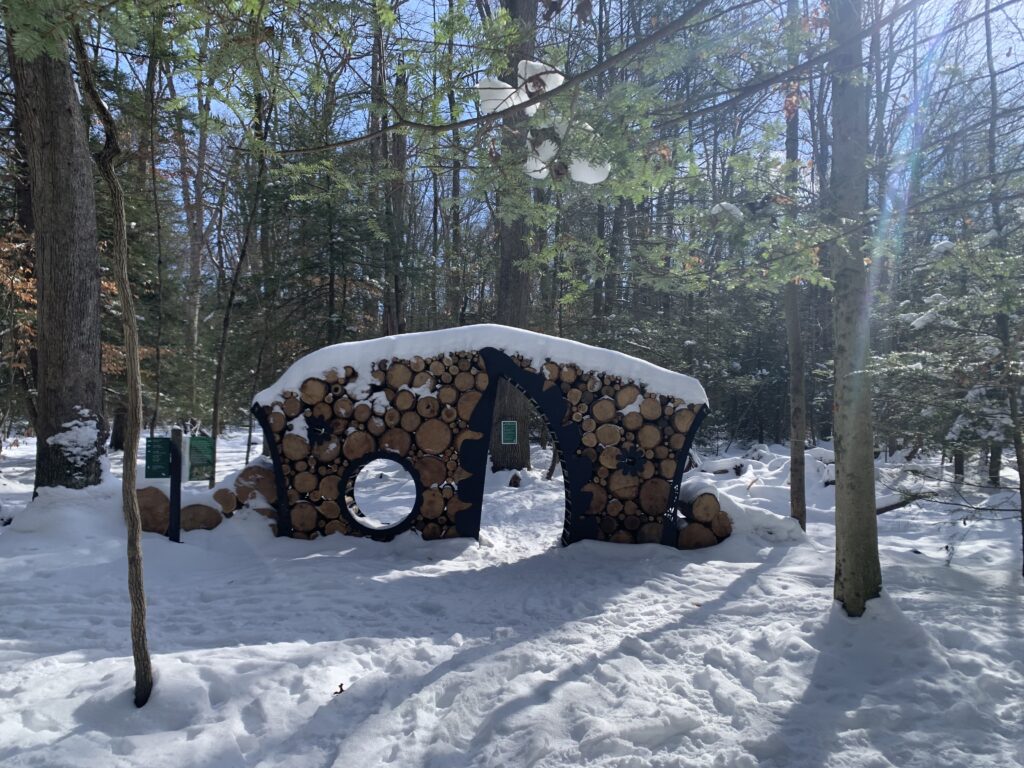
Deer, squirrels, rabbits, muskrats, and turkey—these are just a few of the animals that call the West Virginia Botanic Garden home. You might see less of them during the winter months, but that doesn’t mean they’re not there. Rather, it requires a special set of detective skills to notice the more subtle signs of their presence—skills you can gain during this Saturday’s animal tracking workshop at the WVBG.
The program, scheduled for 2 to 4 p.m., will begin with an indoor lesson on tracking and the skills that one must hone in order to gain wildlife detective status. Then, participants will put those skills to the test with a walk through the garden’s main reservoir loop and forest preserve areas—including spots that education director Abigail Waugh personally knows are great for spotting signs of the garden’s wild inhabitants.

Summer might be the season of colorful blooms and lush landscapes, but winter is a vital chapter in the garden’s story.
“It’s easy to think that winter is a sleepy time in the garden, but really, so much is still happening, even if we can’t see it,” says Waugh. “It becomes a very peaceful time and a really good time to tune into the small details and subtleties of the natural world in a way that’s hard to do in the vibrance of spring and summer.”
Learning to read animal tracks can open a new world, revealing information about animal behaviors that aren’t often visible. Tracks show how an animal moves, what it eats, which animals it interacts with, and more. And, although it might be tempting to bundle up indoors once that first snowflake touches the ground, getting outdoors and staying active year ’round has physical and mental benefits.

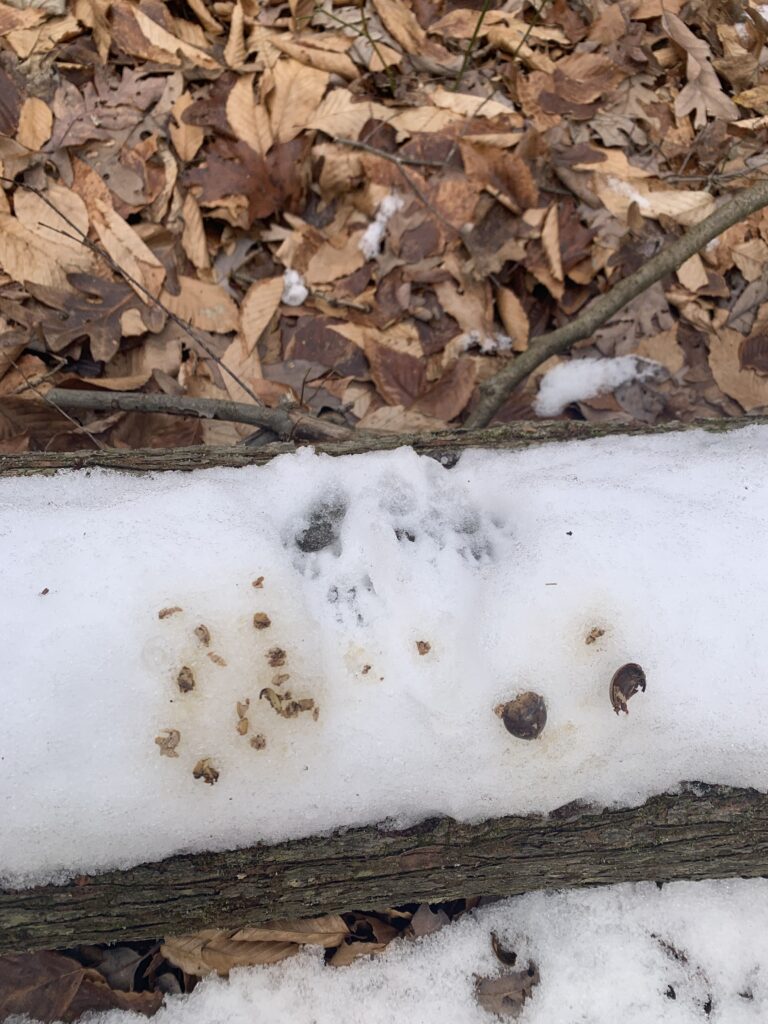
Once participants have practiced their skills in the garden, they’ll take on a fun tracking challenge to test what they’ve learned. Then, with a new skill set in their repertoire, they can explore the garden and see it through a new lens, or explore the signs of wildlife in their own backyards.
“You can learn to find and read animal tracks everywhere from city streets to the deepest wilderness,” says Waugh. “Beyond tracking itself, my hope is that practicing animal tracking helps people learn to notice and observe the small details in nature, because often that is where we really find the most depth and the most fascinating stories.”
If you can’t make it to the workshop, be sure to visit the WVBG this winter to see what wild clues you can find about the garden’s furry and feathered inhabitants—the garden is open every day of the year, from dawn to dusk.

READ MORE ARTICLES FROM MORGANTOWN LOWDOWN

Leave a Reply