








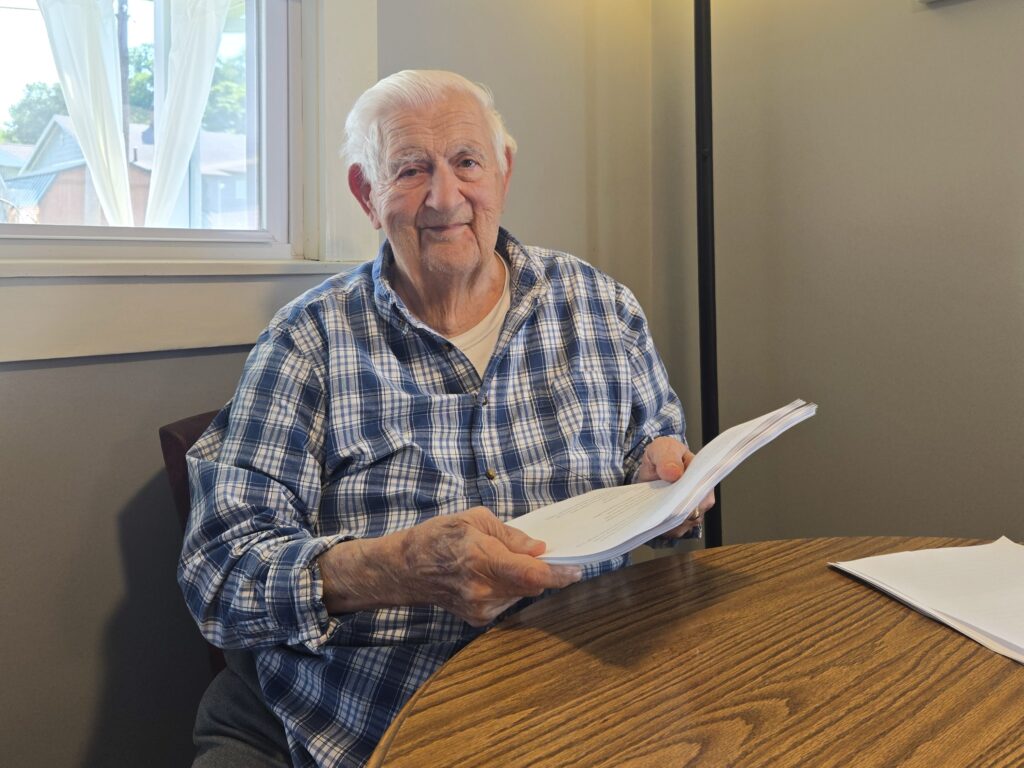
At 99 years old, Louis Birurakis has lived enough life to fill a library.
Just about any time there was a game at West Virginia University’s Mountaineer Field in the late 1930s, Louis Birurakis would be in the stands. That was the old stadium—the one on the downtown campus that was demolished in 1987, heralding the Milan Puskar Stadium we know today. Back then, it was in its prime, alive with Mountaineer spirit—and youthful mischief.
When Birurakis was there, he wasn’t alone. “You had to go two at a time—partners in crime. One person lifted the fence while the other crawled under, then he turned around and held it for his friend. When they both got inside, they found a seat and watched the game,” he explains. “Tickets were pretty expensive.”

Birurakis reflects fondly on a lifetime of fun and adventure seated in his daughter’s kitchen in her home in New Hill, a few miles west of Morgantown. Lois Williams sits across from him, a warm smile on her face as she chimes in on her father’s stories. New Hill is a community in Scotts Run, the Monongalia County hollow where Birurakis’ identity as a Mountaineer and a West Virginian began.
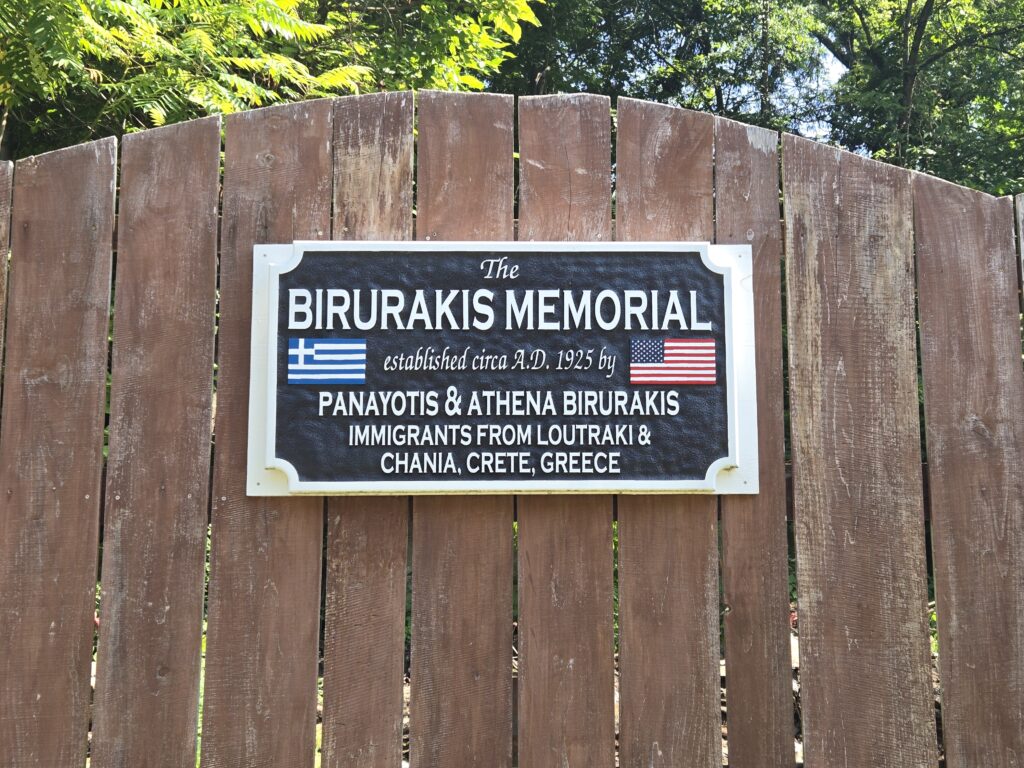
He was born Eleftherios Birurakis to Panayotis and Athena Birurakis, immigrants from Greece. They’d heard of the need for coal miners to fill the 400 railcars that left Scotts Run each day, and they settled down in the Liberty coal camp where Birurakis and his four siblings were raised.
Young Birurakis watched coal companies blackball his father for participating in the union. “When one gentleman was blackballed and couldn’t get a job, he decided to leave and go back to Greece,” he says. “He tried to talk my father into doing the same thing, but my father had education in mind. He told us, ‘Don’t become a coal miner, because it’s hard work and dirty work. So get an education.’ ”

Birurakis and his siblings did exactly that, and alongside his bachelor’s degree in education, he played football. There hadn’t been a football team at University High School when he was there—a situation he later rectified by fundraising for equipment, earning a spot in UHS’s Athletic Hall of Fame. But he’d grown up playing a scrappier Scotts Run version of the game.
“Our football in Scotts Run wasn’t a real football—a real football didn’t last long on the slate and uneven ground,” he explains. “We would take a Carnation milk can, wrap it in cloth, and tape around it—that was our Scotts Run football.”
His lack of experience on the field didn’t hold him back at WVU. In fact, the only thing it did was exasperate his coach. “One time, the coach decided to run a play through my position. I was playing tackle on the defense, and when the ball was snapped, I pushed the guys out from in front of me and went to the backfield. As soon as the quarterback handed the ball to the halfback, I hit the halfback and put him down,” Birurakis recalls, laughing at the antics of his youth. “The coach was upset, because he knew I hadn’t played any football. He said, ‘There’s a guy who never played any football, and you guys who did play football couldn’t block him.’ He tried the play again, and I did the same thing. He took his hat off and threw it on the ground, said a few cuss words, and tried to pronounce my name. He said, ‘Bye-you-rake-is, if you play like that, you’ll never miss a game.’ And then I played all four years.”
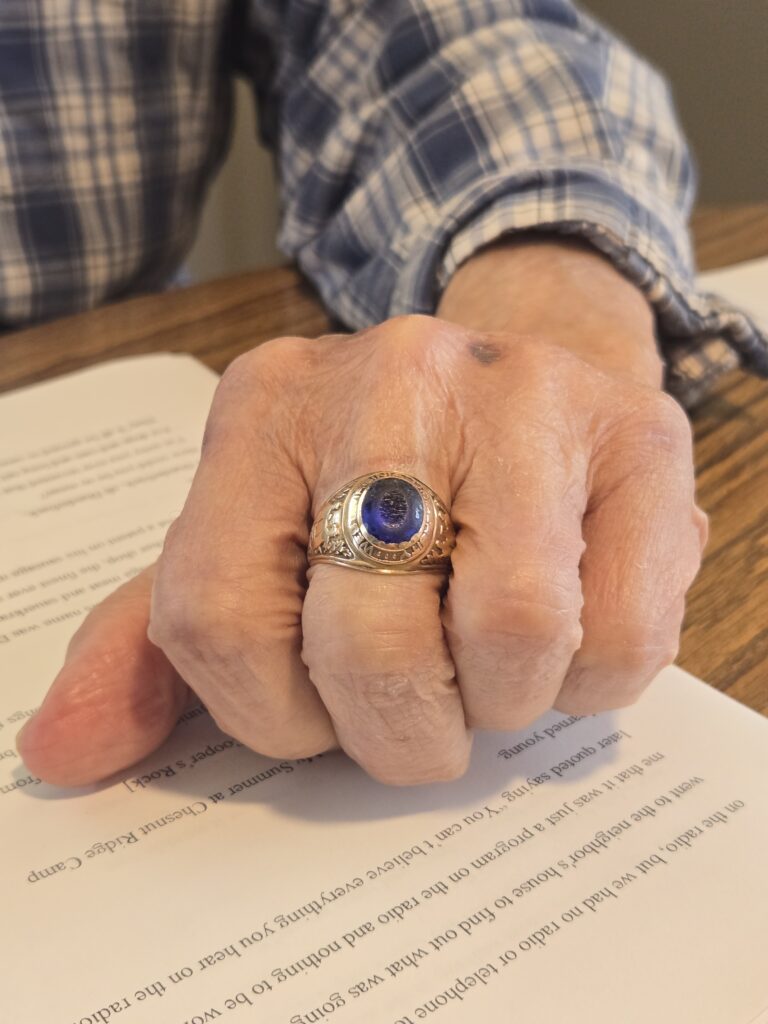
Even today, he never misses a home game—though he doesn’t have to crawl under fences anymore. In 2016, he was granted the title of honorary captain, with the opportunity to meet the team—for whom he brought individual bags of homemade pizzelles, an Italian cookie popular in the Birurakis family—and the responsibility of flipping the coin at the beginning of the game. As he walked off the field, he turned to Coach Holgorsen and said, “Now, if you need me, I’ll be sitting right over there.”
His daughter adds to that. “He used to play in the Old-Timers Games, but they stopped because of the age of some of the players and their medical conditions. He even got a note from his doctor that said, ‘Louis Birurakis is allowed to do anything he wants to do,’” Williams says, laughing. “He wanted to play, and I said, ‘What would happen if you had a heart attack and died?’ He responded, ‘Start digging. Get a posthole digger and just stick me right there. What a wonderful way to go.’ He’s a Mountaineer through and through.”
The Story of a Life
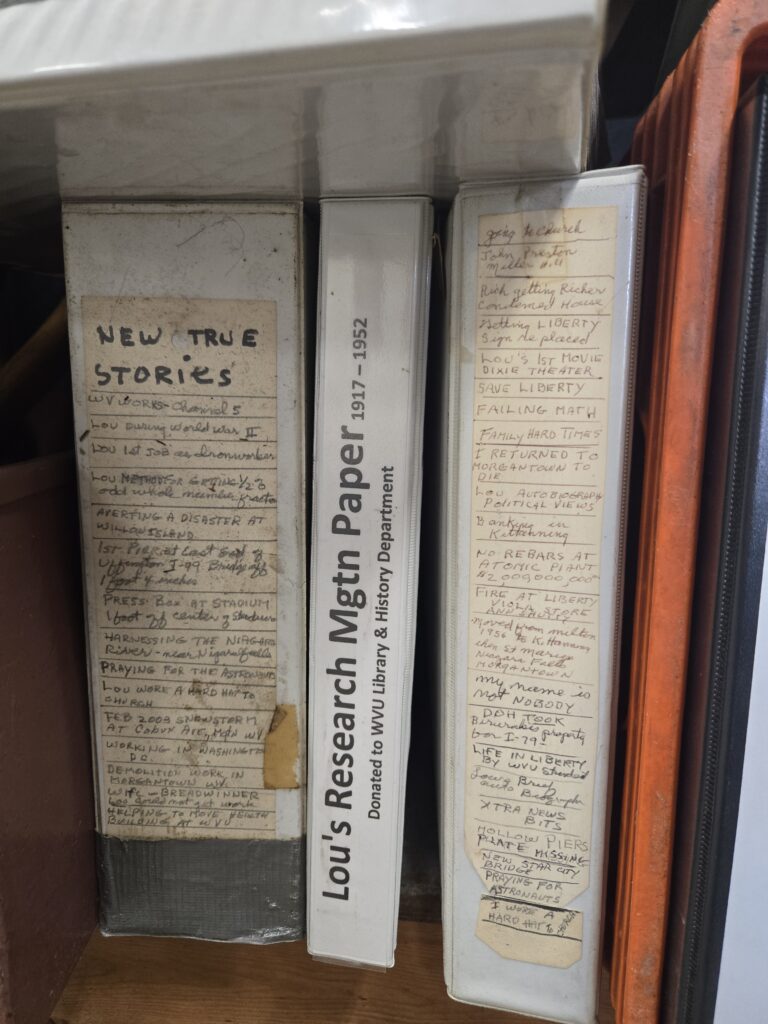
Anecdotes like these fill dozens of carefully labelled binders lining the shelves in Williams’ garage. A series titled New True Stories includes Lou During World War II, Praying for the Astronauts, and Failing Math. His commitment to historic preservation and education is reflected in accounts like Scotts Run Miners Injured or Killed 1919–1952, as well as in the Welcome to Historic Scott’s Run sign he helped install and his efforts to denote the Star City Bridge the Veterans and Miners Memorial Bridge.
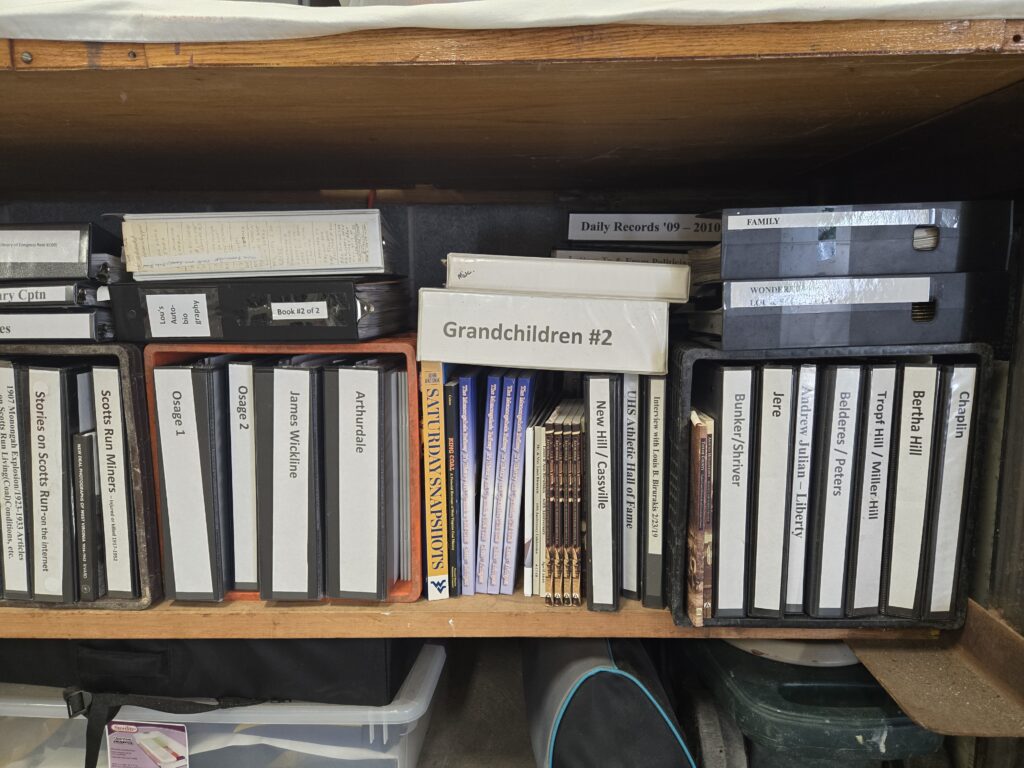
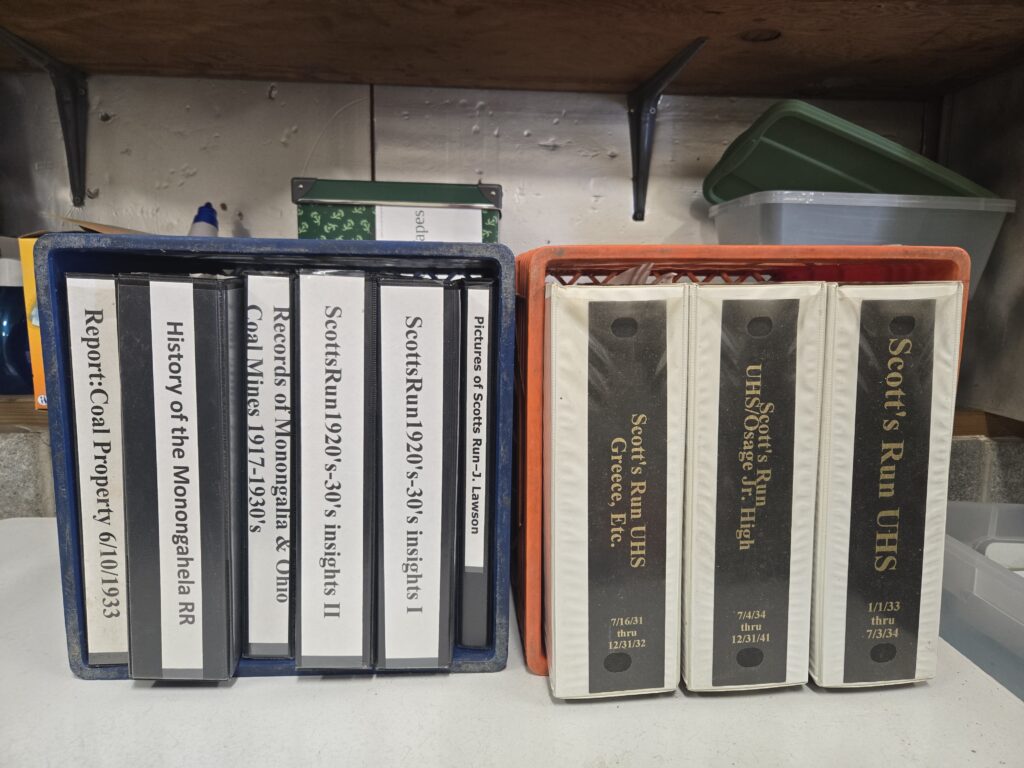
Birurakis credits his football career for his vitality after nearly a century, but it’s his roles as a community historian and activist that keep him—and his six children—busy. Before his centennial, he aims to publish an autobiography condensing his decades of personal stories and historical accounts. It’s for the benefit of his family but also Morgantown residents, WVU students, and the 13 Scotts Run communities.
“He already has his tombstone, and it says his name and the four years he lettered in WVU football. Now he’s thinking that he would like to have a QR code on it so you can look him up. There’s just not enough space to put everything he wants to be remembered for,” says Williams. “He has a list of things he wants to do before his 100th birthday, like restoring the park—my goal is just to keep him happy.”
READ MORE STORIES FROM OUR FALL 2025 ISSUE

Leave a Reply